💡 Brighter Farms, Better Milk:
How LED Lights Are Changing the Dairy Industry
As the world needs more and more milk, the companies that process milk (milk processors) need a steady, large, and high-quality supply. It turns out that a key to solving this challenge is something often overlooked: lighting on the dairy farm.
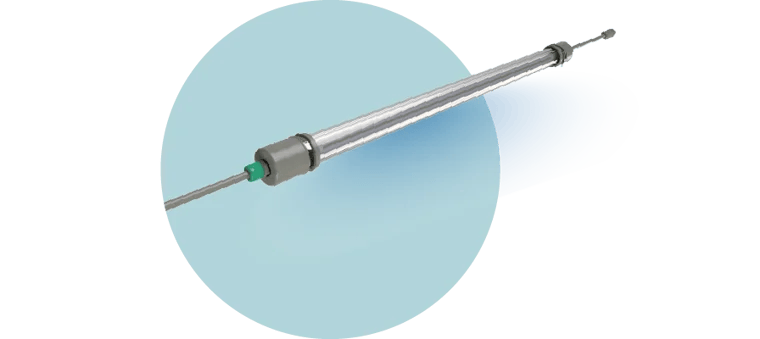
New research from HATO Agricultural Lighting shows that upgrading to their RUDAX LED lighting systems can dramatically improve milk production, cow health, and a farm’s bottom line. Lighting is no longer just a way to see; it’s a powerful tool for better business.
📈 Case Study 1: More Milk in the Netherlands
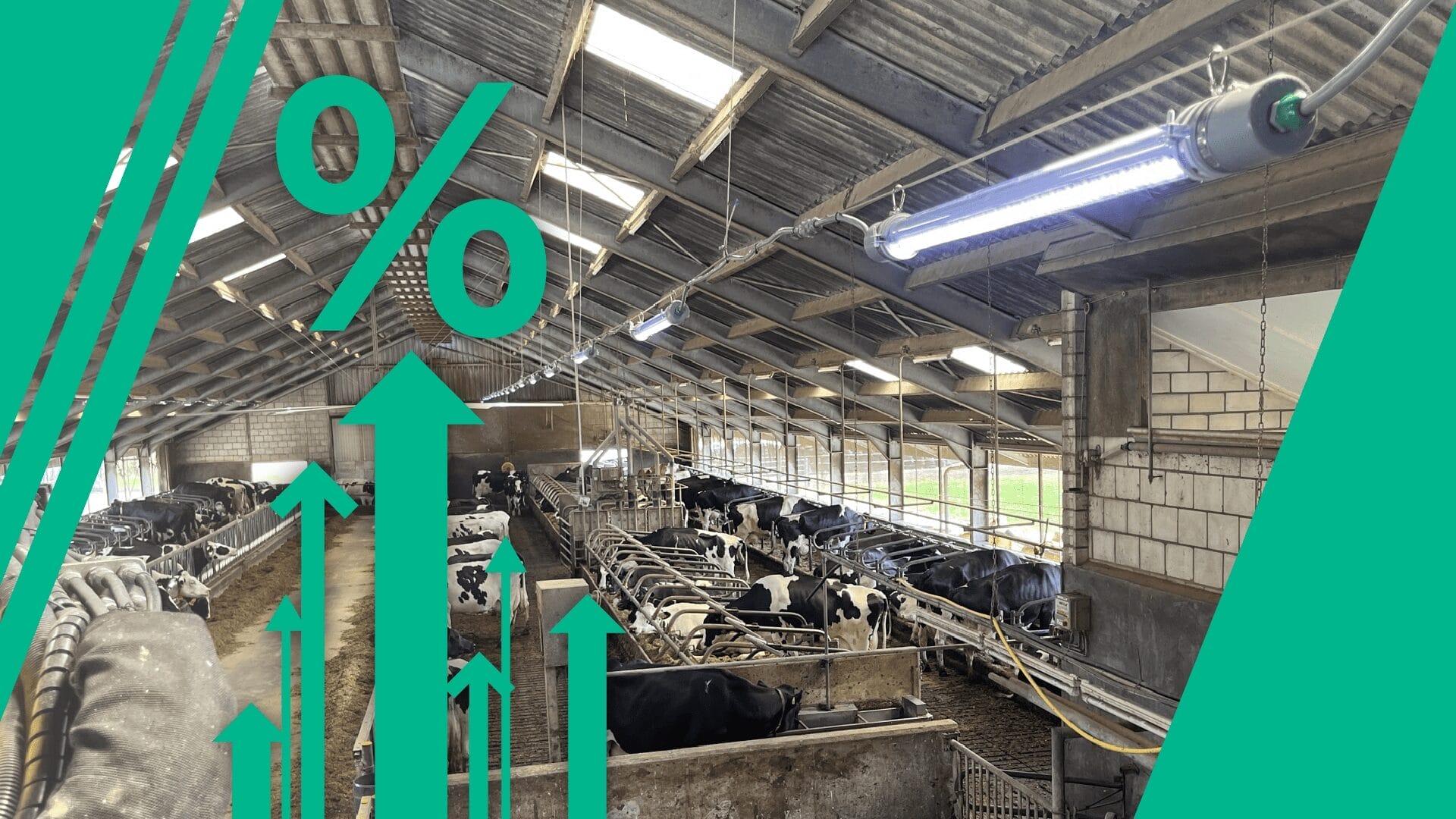
Dutch farmer Herman Kusters was already successful, but he wanted to do better. He replaced his old, dim fluorescent lights with the much brighter RUDAX LED system (raising the light level from about 20 Lux to 180 Lux).
The Results:
- Milk Production Jumped: His cows started producing almost 12,000 liters of milk per year, up from 11,000 liters—that’s a 9% increase!
- Improved Cow Comfort: The cows rested more comfortably, which is important for their overall health, especially their hooves.
- Easier Installation: The new lights fit into the existing sockets, meaning the farmer didn’t have to make big, costly changes to his barn.
Key Takeaway: A simple lighting upgrade led to better milk output and happier cows with very little effort.
🎨 Case Study 2: The Right Color Makes a Difference
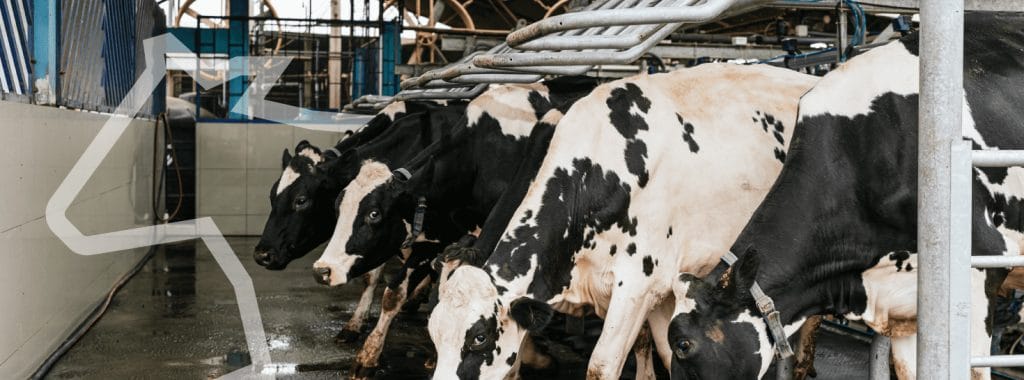
A controlled trial in the Netherlands compared the RUDAX LED system against older lighting systems to see if the color of the light and how it was spread out made a difference.
The study tested different colors, including a special light from RUDAX called Lactivus light (5,000K).
The Results:
- 7% More Milk: Milk production increased by 7% when cows were under the specialized Lactivus blue light.
- More Rest: The cows spent more time resting, a sign of greater comfort and well-being.
- Worker Safety: The farm reported that the better light also made it easier and safer for workers to do their jobs.
Key Takeaway: The color and distribution of light have a direct, biological effect on how much milk a cow produces.

❄️ Case Study 3: No More Winter Production Drops
A dairy farm in Poland with 150 cows faced a common problem: milk production would drop significantly in the winter when daylight hours were shorter. This inconsistency made managing the herd difficult.
They installed the RUDAX LED lighting with an automated Light Manager to keep the light consistent year-round, simulating steady daylight. The initial investment was about $29,000 USD.
The Results:
- Winter Drop Eliminated: The farm stopped losing 2 kg of milk per cow every day during the winter.
- Year-Round Gain: They gained an extra 1.5 kg per cow/day during the spring and summer.
- Big Money: This change brought in an extra $47,000 in revenue annually.
- Fast Return: The entire cost of the new lights was paid off in under 200 days!
Key Takeaway: Controlling the lighting stabilized the cows’ reproductive cycles and stopped seasonal production losses, making the farm much more profitable, very quickly.
🤝 Why This is Important for the Milk Supply
These case studies show that lighting is a smart, strategic investment for the entire milk supply chain:
- Steady Growth: Farmers can achieve up to a 7–9% increase* in milk yield just by improving their lighting.
- Stable Supply: Controlling light stops those unpredictable drops in production during winter, giving milk processors a more stable supply.
- Fast Payback: The lighting systems pay for themselves quickly, making the upgrade a good deal for even smaller farms.
Milk processors can encourage or even help pay for these lighting upgrades at the farm level. This is a simple, proven way to secure their long-term milk supply and improve the quality of their product. Contact us for more information or to connect with a local dealer.
*The actual increase in milk production will depend on what lights you are changing from and whether the farmer follows HATO’s recommended light plan.