
Mastering Multiphase Feeding
🐷 6 Tips for Better Pig Growth and Lower Costs
In the world of pig farming, feed is often the largest expense. To stay profitable and ensure animal health, many producers are turning to multiphase feeding. This strategy involves changing the composition of the feed as pigs grow to match their specific nutritional needs at every stage of development.
When done correctly, multiphase feeding reduces nutrient waste, lowers costs, and improves growth rates. However, moving away from a “one-size-fits-all” diet requires precision. Here are six essential tips to make your multiphase feeding system a success.
1. Know Your Numbers: Accurate Animal Weights
You cannot provide the right nutrition if you don’t know exactly how much your animals weigh. A pig’s nutritional requirements change rapidly as they gain mass. If you estimate weight incorrectly, you might provide too much expensive protein to older pigs or not enough energy to younger ones.
Using automated weighing systems or camera-based sensors provides real-time data. This allows the feeding system to adjust the diet automatically based on the actual growth curve of the herd.
2. Make Transitions Gradual
Switching from one feed type to another too abruptly can cause digestive stress, leading to “growth dips” or health issues. The key to successful multiphase feeding is blending.
Instead of a hard switch from “Starter” to “Grower” feed, a smart system gradually mixes the two. Over several days, the percentage of the new diet increases while the old one decreases. This smooth transition keeps the pigs’ digestive systems stable and ensures they never stop gaining weight.

3. Monitor Feed Intake Closely
A sudden drop in feed consumption is often the first sign of a problem, such as illness or poor barn conditions. By monitoring daily intake through digital sensors, you can spot these fluctuations immediately.
If the data shows that pigs aren’t eating as much as they should be, you can investigate the cause—whether it’s a ventilation issue, a clogged feeder, or a health concern—before it impacts your bottom line.
4. Don’t Forget About Water
Feed and water go hand-in-hand. For a pig to digest feed efficiently, it must have access to clean, fresh water. Most experts recommend monitoring the feed-to-water ratio.
If pigs are eating but not drinking enough, their growth will stall. Conversely, excessive water use can indicate a leak or a health problem. An integrated system that tracks both feed and water provides a complete picture of animal well-being.

5. Manage Your Silo Inventory
Multiphase feeding requires managing multiple types of feed across different silos. Running out of a specific feed component can ruin your carefully planned nutritional strategy.
Using silo weighing systems or level sensors ensures you always know exactly how much inventory you have on hand. This allows for better communication with feed suppliers and prevents “empty trough” emergencies that stress both the animals and the farmer.
6. Leverage Automation and Technology
Trying to manage multiphase feeding manually is nearly impossible on a large scale. The calculations required to blend diets for different pens at different stages are incredibly complex.
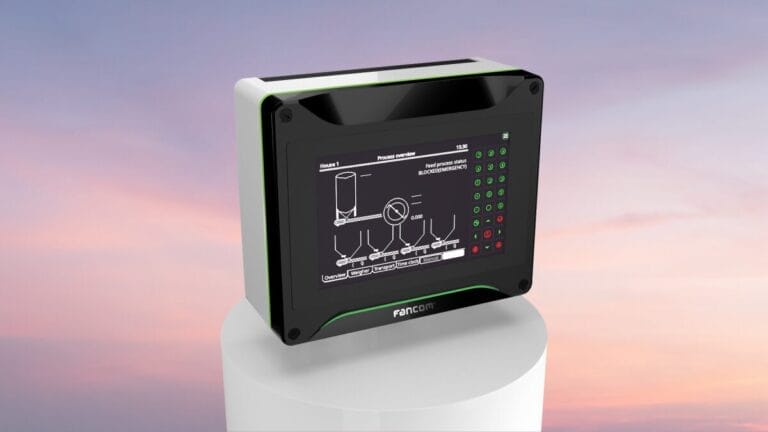
Modern smart farming systems, like those developed by Fancom, handle the “heavy lifting.” These systems connect your silos, weighers, and dispensers to a central controller. This ensures that the right mix is delivered to the right pig at the right time, removing human error and saving hours of labor.
The Bottom Line
Multiphase feeding is a powerful tool for modern pork production. By focusing on data, gradual transitions, and smart technology, you can ensure your pigs reach their full potential while keeping your production costs as low as possible.

Ready to optimize your feeding strategy? Contact Can-Neth to learn more about how automated feeding systems can transform your operation. We can also help you find a qualified local installer to help facilitate your upgrades.
#SmartFarming #PigFarming #MultiphaseFeeding #EuropeanTech #PorkProduction #Fancom #MIKInternational #VDLAgrotech #CanNethImports